Roughly 17% of all calls a typical US dental practice receives land outside business hours, according to Intavia's 2026 dental practice data. Most of those calls do not become voicemails the front desk can call back the next morning. They become appointments at the practice down the street.
For a typical US practice booking $400 to $1,200 per new patient case, those missed calls compound into one of the largest hidden revenue leaks on the books. This article breaks down where after-hours dental calls actually go, what each capture method costs, the segment-by-segment economics for general practice versus ortho, cosmetic, and DSO models, and a 30-minute audit you can run on your own practice this week to size the gap.
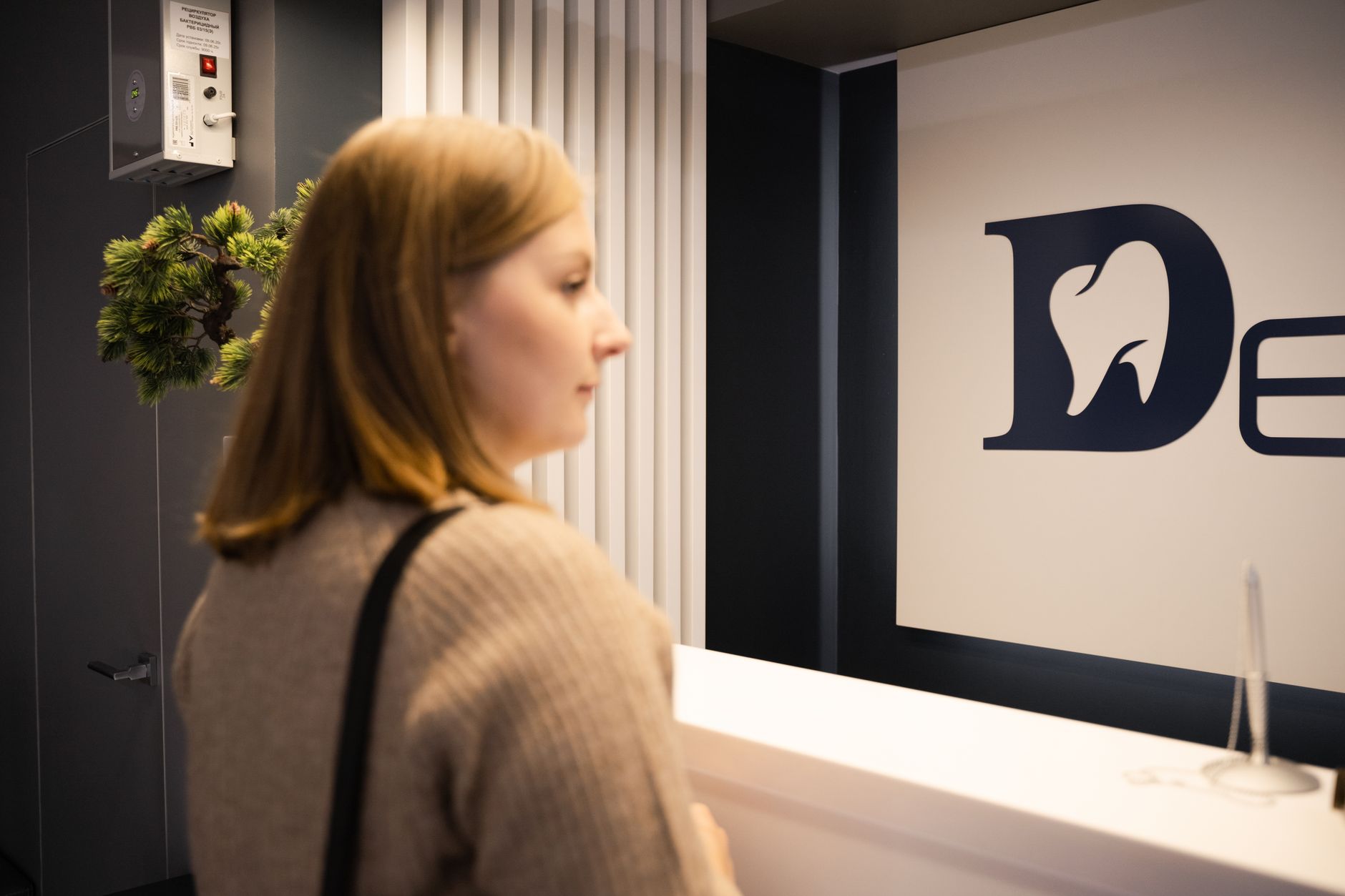
Two things changed this year. First, patient search behavior shifted further toward "right now" intent — when someone searches "dentist open near me" at 9:14 pm with a chipped molar, they are not adding your practice to a list to call tomorrow. They are calling the first three results and booking with whoever picks up.
Second, the volume of off-hours search traffic kept climbing. SearchX's 2026 analysis found that 76% of local dental searches lead to a practice visit within 24 hours. The compressed timeline means a missed call at 7 pm rarely converts to a booking by Friday morning — the patient already saw three other listings and acted on one.
The math gets worse for practices in higher-density urban markets. Arini's 2026 Boston data shows practices missing 20–38% of inbound calls, translating to $100,000 to $150,000 in lost revenue annually per location. In Los Angeles, San Diego, and Phoenix the numbers run similar; in suburban markets and mid-tier metros, the percentage is lower but the conversion gap is just as decisive because the local competitive set is smaller and the practice that picks up wins repeatedly.
The single most-misunderstood operational fact in US dental marketing is that voicemail is rarely a "delay" — it is usually a "decline." When a patient with active intent (toothache, broken filling, urgent cosmetic question, lost crown) reaches voicemail, the next move is almost never "wait until tomorrow." It is "call the next listing." Industry surveys cited in Clerri's 2026 dental scheduling stats consistently show that emergency-intent dental callers who reach voicemail return less than 1 in 8 of the time within 48 hours.
Approximate capture rate for a single after-hours new-patient call by handling method (industry-survey averages, US, 2026)
Sources: Intavia 2026, Arini 2026 Boston cohort, Clerri industry surveys. Single-call capture rate; multi-touch (SMS + recall) lifts AI receptionist combined capture toward 90%.
Most US practices fall into one of four buckets. Each has very different economics. The bar chart above summarizes single-call capture; the breakdown below covers the cost side and where each option leaks revenue.
1. Voicemail
The default. Patient hears the greeting, hangs up, calls the next listing. Capture rate on first-time emergency callers: roughly 5–15% return calls in the morning. Cost: $0. Hidden cost: somewhere between $30,000 and $80,000 a year in lost cases for an average solo practice — and noticeably higher for emergency-heavy specialties or practices in dense metros.
2. Live answering service
A human operator takes a message, sometimes books, often does not. Typical cost in the US: $150–$400 per month plus per-minute fees, with overflow rates that can push a busy practice toward $700–$900 in heavy months. Operators rarely have access to the practice management system, so they cannot actually confirm openings or insurance. The patient still waits until morning for the practice to call back — and by morning the practice down the street has already booked them.
3. Forward to the on-call hygienist or owner's cell
Common in smaller practices. Works for true emergencies. Burns out the staff member taking calls during dinner. Almost no practice owner who has done this for a year is willing to keep doing it; most quietly migrate to one of the other three options inside the first 18 months.
4. AI receptionist that books in real time
The 2026 entrant. The AI answers, asks intake questions, checks the calendar, and books the appointment directly into the practice management system. Patient is confirmed before they hang up. Cost varies but typically lands at a fraction of an answering service for higher capture quality, with most practices reporting roughly 70–90% capture on calls the AI handles end-to-end.
Here is the comparison most practice owners never see laid out side by side, using common US numbers for a single-location general practice in a mid-cost metro:
- Voicemail: 0 captured of the typical 17 monthly after-hours calls. Net captured cases: 0. Net new revenue: $0.
- Answering service ($300/mo): Captures the message but not the booking. Maybe 30% of those calls convert when the front desk follows up next day. Net captured cases: ~5. Net new revenue minus service: ~$1,700 to $5,700.
- AI receptionist: Books in real time. Industry-reported answer rates of 90%+. Net captured cases: ~13. Net new revenue: $5,200 to $15,600 per month — net of platform cost.
This is not a hypothetical "AI is the future" pitch. The 2026 dental practices in cities like Boston, San Diego, and Phoenix have already moved. The ones still on voicemail are not deciding to "wait and see" — they are quietly subsidizing the AI-equipped competitor's growth.
The dollar gap from missed after-hours calls varies sharply by practice type. The same 17% off-hours volume converts very differently for a general dentist versus an ortho practice versus a cosmetic-heavy office, and the capture economics scale with case value.
"Linda filled 47 empty chair slots in the first month — but the more interesting figure was that the patients captured after hours had a 17% higher first-year case value than walk-in or daytime new patients."— Sunrise Dental, Phoenix
General practice (single location)
Average new-patient case value in the US sits around $400 to $700 for a general practice — driven by an exam, X-rays, cleaning, and one fluoride or sealant on a new-patient first visit, with subsequent treatment value layering in over the first 12 months. At 13 captured after-hours calls per month, the GP economics work out to $5,200 to $9,100/month in incremental revenue — most of which compounds because GP patients tend to recall on a 6-month cycle and bring family.
Orthodontic practice
Ortho economics flip the equation. A captured ortho consult that converts to a treatment plan averages $3,500 to $6,500 in case value depending on aligners versus brackets. Even at lower call volume — ortho practices often see only 8 to 12 after-hours calls per month — the missed-revenue math is the most punishing of any segment. A single missed ortho call per week translates to roughly $200,000 to $300,000 a year in lost case value. The practice owners who do this audit usually move to AI capture inside a quarter.
Cosmetic-heavy practice
Cosmetic dentistry leans into Miami, LA, NYC, San Francisco, and Dallas. Average case values for veneer, implant, or full-mouth-rehab consults run $5,000 to $30,000+, and cosmetic-intent callers are particularly likely to call after hours — the conversation often happens during evening downtime. Cosmetic practices missing 20% of after-hours calls in a metro-cosmetic market typically lose $300,000 to $700,000 a year in unconverted consult value. Capture-rate is also where review velocity compounds — and cosmetic patients post particularly powerful before/after-style social proof.
DSO and multi-location group
For dental support organizations and multi-location groups, the math compounds across locations. A 12-location DSO with average per-location after-hours leak of $100,000 a year is leaving $1.2M annually on the table. The operational complexity also goes up — each location needs PMS integration, location-specific routing, and intake scripts that handle the local insurance mix. This is the segment where unified AI receptionist + scheduler + insurance verification consolidation pays back fastest.
If you are evaluating options, the configuration that works in real US practices includes four things working together:
- An AI receptionist that answers every call, qualifies it, and books straight into your scheduling system — not a voicemail bot or a "we will call you back" form.
- Real-time integration with your PMS so openings shown to the patient are actually open and the booking sticks.
- An automated follow-up sequence for any caller who does not book — a confirmation text within 60 seconds, a reminder the next morning, a recall message the following week.
- A handoff path to a human for the cases that need it — true emergencies, complex insurance questions, complaints.
Most US dental practices end up paying for two or three different vendors to cover this — one for answering, one for SMS, one for the recall sequence. TheBigBot's done-for-you Dental CRM consolidates the AI receptionist, scheduler integration, and patient nurture into one login that's typically live in 3 days, which is part of why practices like Sunrise Dental in Phoenix have been able to fill 47 empty chair slots in a single month — they captured the after-hours volume that was already there.
Before evaluating any vendor, run this audit on your own practice. It takes about 30 minutes and produces a defensible number you can compare any solution against.
- Pull the last 30 days of call logs from your phone provider. Most VoIP systems (RingCentral, Mango Voice, Weave) export this in two clicks. If you are on a legacy line, request the call detail records (CDRs) from your provider.
- Tag every call that arrived between 5:30 pm and 7:30 am, plus weekends and holidays. That is your after-hours volume.
- Subtract the calls your team actually answered or returned successfully. What remains is your missed-call pool.
- Take 70% of the missed pool as a conservative estimate of the share that were genuine new-patient or returning-patient inquiries (the other 30% is solicitations, wrong numbers, hangups). This is your captureable volume.
- Multiply that captureable volume by your practice's average new-patient first-year case value. For a GP, $700 is a reasonable starting figure. For ortho, $5,000. For cosmetic, $8,000-$15,000.
- Multiply by 12 to annualize. That is your annual missed-call revenue gap.
Most practices are surprised. The number is usually three to five times what they had assumed, because the missed-call problem is invisible — it happens when nobody is in the office to count it.
Linda Martinez, practice manager at Sunrise Dental in Phoenix, ran a version of the audit above in early 2025. The practice's after-hours call volume averaged 22 calls per week — heavier than typical because Phoenix's broader call cycle skews evening due to the heat-driven outdoor-work schedule of many service-industry patients. Their missed rate was 71% before they moved to an AI receptionist with PMS integration.
Within 90 days of switching to a real-time-booking AI configuration, Sunrise's capture jumped from a measured 29% to a measured 84% on after-hours volume. Linda filled 47 empty chair slots in the first month — the headline number — but the more interesting figure was the secondary effect: the patients captured after hours had a 17% higher first-year case value than walk-in or daytime new patients, because they were actively shopping when they called and arrived already qualified, with insurance verification done by the AI before the appointment.
The 12-month-trailing revenue lift attributable to the after-hours capture, as audited by their CPA: just under $147,000. The platform cost over the same period was less than 4% of that lift. This is the pattern playing out quietly across the better-run US dental practices in 2026.
What percentage of dental calls actually come in after hours?+
Across US dental practices, roughly 17% of inbound call volume arrives outside standard business hours, per Intavia's 2026 data. The exact number varies by city and specialty — pediatric and cosmetic practices skew higher, since parents and working adults make those calls in the evening. Emergency-heavy GP practices in service-industry-dominant metros (Phoenix, Las Vegas, Houston, Atlanta) skew toward 22-28% off-hours volume.
Is an AI receptionist HIPAA compliant for dental practices?+
Properly configured AI receptionists used in US dental practices operate under business associate agreements (BAAs) with the practice and follow HIPAA-compliant call handling. Confirm any vendor you evaluate signs a BAA, encrypts call recordings and transcripts, routes patient health information through HIPAA-compliant infrastructure, and does not use call data to train external models. Get the BAA in writing before going live.
How is an AI receptionist different from an answering service?+
An answering service takes a message a human will follow up on the next morning. An AI receptionist actually completes the booking — checking calendar availability, collecting intake info, and confirming the appointment in your practice management system in real time. The difference shows up in capture rate: answering services typically convert 20–40% of the messages they take into booked appointments; well-configured AI receptionists convert 70–90% of the calls they handle.
Will patients know they are talking to an AI?+
Modern dental AI receptionists disclose that they are an automated assistant — both because patients increasingly expect transparency and because some state regulations require it. The patient experience research that has been published in 2026 suggests disclosure does not hurt booking rates as long as the AI handles the interaction well: natural pacing, accurate intake, and an easy escape hatch to a human for anything complex. Practices that A/B test disclosed AI versus undisclosed answering services typically see flat-to-positive booking rates with disclosure.
What does an AI receptionist actually cost a typical practice?+
Pricing in the US dental market for an AI receptionist alone runs roughly $200–$500 per month per location. Bundled platforms that include the receptionist plus scheduling, recall, and review-harvesting workflows often land in the $200–$500 range too — replacing a stack of single-purpose tools that would cost $1,500–$3,000 combined.
Does AI receptionist work for multi-location DSOs?+
Yes — and the per-location savings tend to be larger because the alternative (a regional answering service across 10 locations) gets expensive fast. Properly configured AI receptionists handle location-specific scripts, location-specific routing, and per-location calendar integrations from one centralized configuration. The biggest implementation note for DSOs is making sure the AI passes location ID into the PMS booking call so the right location's calendar gets the appointment, not a default.
Can the AI handle Spanish-speaking patients?+
Modern dental AI receptionists handle US English and Spanish natively without additional configuration in most major-vendor implementations as of 2026. For practices in Miami, San Antonio, El Paso, Phoenix, LA, and similar markets where 30%+ of patient inquiries arrive in Spanish, this matters operationally — the alternative (a single-language answering service or a bilingual front desk staffer who is not always available) typically loses the Spanish-speaking after-hours caller entirely.
What about practices that already have a great front desk?+
An AI receptionist is not a replacement for a strong front desk — it is a complement for the hours your front desk is not at the desk. The best-run practices use the AI to capture after-hours and overflow calls (when the front desk is already on another line) while keeping the human team on the calls that arrive during business hours. Capture rate goes up, the front desk's call quality goes up because they handle fewer total calls per day, and patient experience scores typically improve in quarter two.
After-hours dental calls are not a small operational gap — they are the line between the practices that grow in 2026 and the practices that wonder why their new patient numbers stalled. The cost of capturing them is now lower than the cost of the answering service most practices already pay for. The cost of ignoring them keeps climbing every quarter as patient search behavior continues to compress.
Practices using TheBigBot's done-for-you Dental CRM typically launch the full system — AI receptionist, online scheduler, recall campaigns, and review harvesting — within 3 days. If you would rather see what that looks like for your practice than read another article, book a 20-minute demo and we will walk through the math on your specific call volume.
References & sources
- Intavia's 2026 dental practice data — intavia.ai
- SearchX's 2026 analysis — searchxpro.com
- Clerri's 2026 dental scheduling stats — clerri.com
- 90%+ — arini.ai